

Soaring July Temps, A Late Monsoon: The Savvy "ICG" Pros Called It All... In May
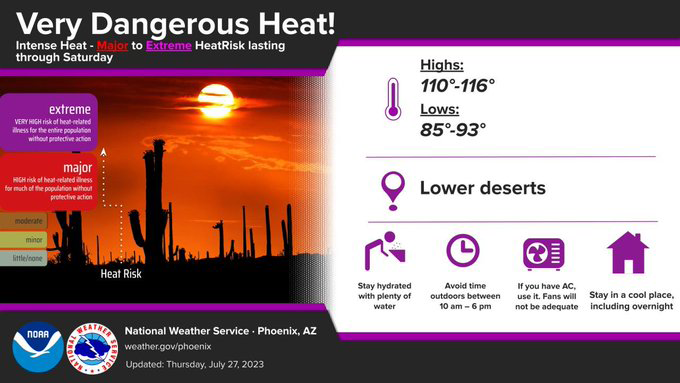
Despite what looks to be the hottest July ever by several measures, softball teams in the Phoenix area are toughing it out. Sure, we’ve got these super-hot days, but the kids keep on practicing and playing.
Of course, a lot of those practices and games are being played at 2 am.
Social media lately is full of novel cooking tips. Can you cook a hamburger in your car? Yep. Two hours in the back seat under the afternoon sun at 200 degrees (!) and those patties are well done.
How about melting candles on your home’s roof? No problem.
A local Phoenix TV station recently featured a Mesa resident who started regularly cooking dinner on his car’s dashboard. He calls his “restaurant” the “Dashboard Diner.”
Who could have seen this coming? In the wake of record winter snowpacks in the mountains and a long, lingering (relatively) cool spring, where did all this blistering summer heat come from? Could anyone have seen it coming?
Well, as a matter of fact, someone did.
The Arizona Drought Inter-agency Coordinating Group, or the ICG, is a little-known treasure of weather and climate analysis of Arizona, specifically, and the Southwest, generally.
The ICG meets twice annually and makes recommendations to the Governor about whether to continue the State’s long-running drought-emergency declaration. The panel’s bi-annual presentations are among the most under-appreciated and most informative two hours of drought and climate analysis available.
The panel takes detailed reports from a variety of sources, typically including reports from Game & Fish, the Farm Bureau, State Forestry, Native American tribes and others about the impact of drought.
The two-hour meetings also feature a drought status report - typically an analysis of the previous six months of weather conditions in the region – delivered at the most recent ICG meeting in May by Erin Saffell, Arizona State Climatologist.
The meeting also includes an outlook of anticipated weather conditions for the approaching six months, provided in recent years by Mark O’Malley, a top forecaster for the National Weather Service.
Regarding this current, seemingly endless summer of nearly moisture-free, above-110 degree days? Well, O’Malley pretty much called it in mid-May.
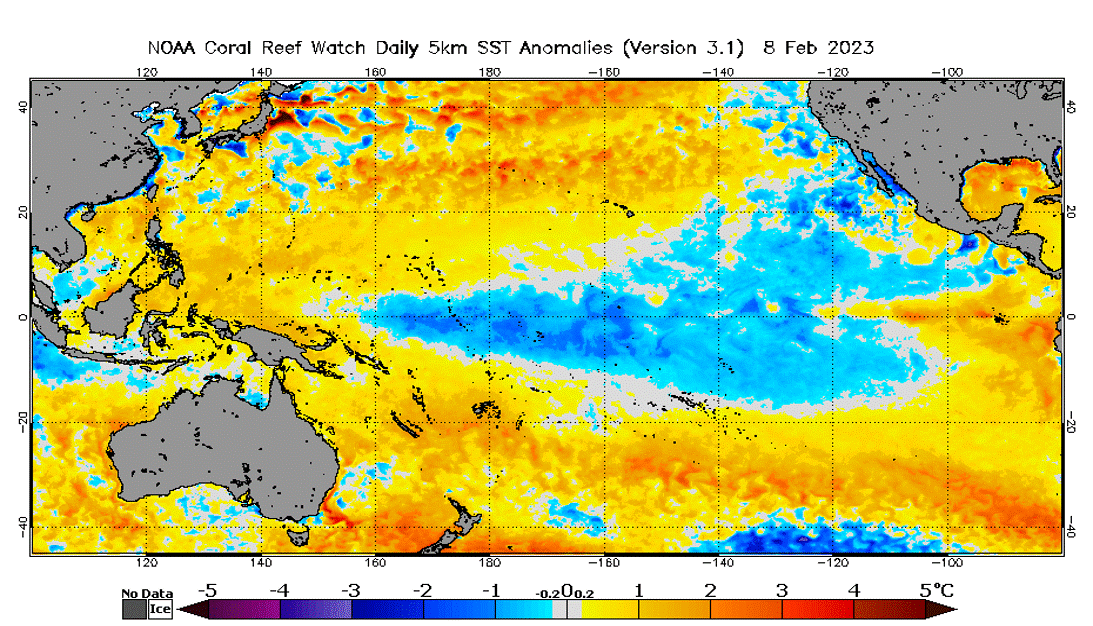
Most of the headlines in the spring spoke of the gathering “El Nino” condition in the Pacific Ocean, a warm-surface-water phenomenon that often brings wet weather to the American Southwest.
But noting a solid, stable cold-water system parked off of southern California and the Baja, O’Malley told the ICG panel that the Southwest could expect a later-than-normal monsoon season as a result.
“Moisture availability may be compromised for the first part of the monsoon,” he said.
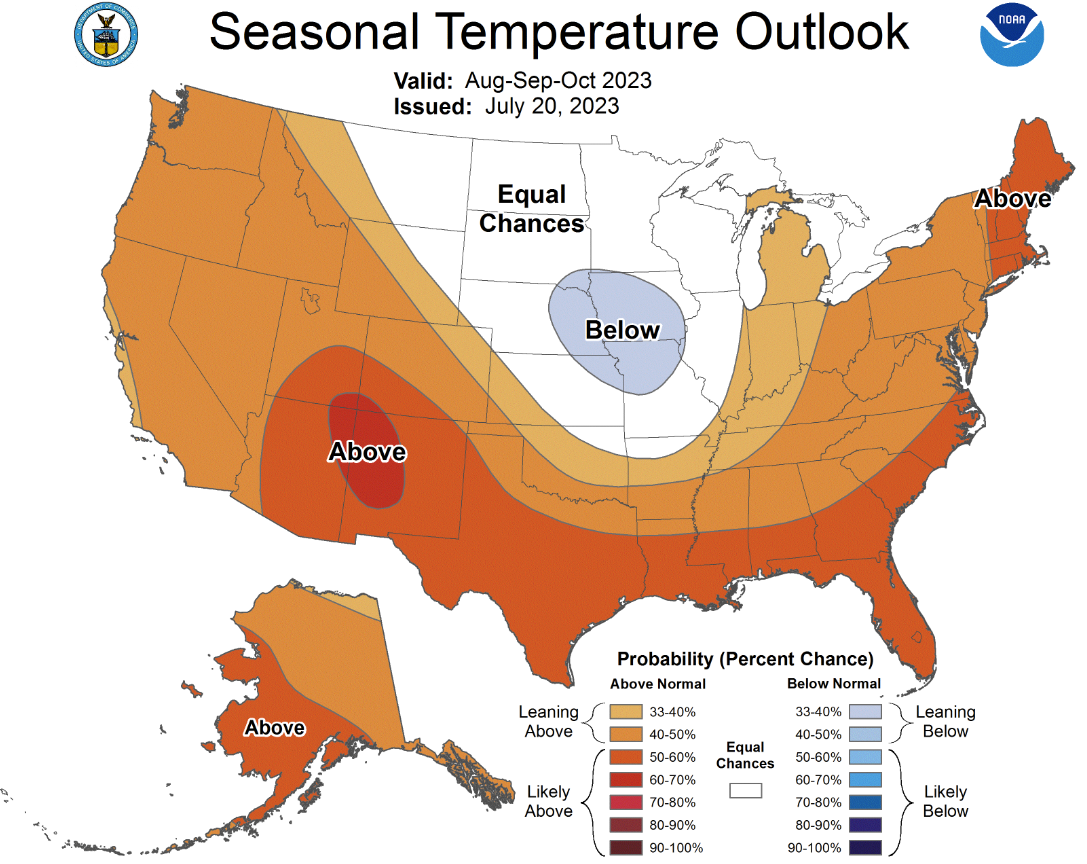
O’Malley added that the National Weather Service’s Climate Prediction Center predicted “a better than 50 percent chance that the summer as a whole will be warmer than average.”
His prediction came out spot on, it seems.